Remove the Rust.
Reveal the
Surface.
InPulse Laser brings mobile laser cleaning to Chicago-area shops, facilities, and properties. We remove rust, selected coatings, and surface buildup from suitable materials — from steel railings and vehicle parts to industrial equipment. Every project starts with a material and access assessment.
Our Services
Precision where it matters. InPulse Laser uses focused light to remove unwanted surface layers without added blasting grit or chemical strippers. For suitable projects, that means selective treatment, less secondary media waste, and no mechanical scrubbing force on the part.
Why choose laser? It is especially useful when only a defined area needs cleaning or detail needs preserving. Blasting may be more practical for broad-area profiling, and approved chemical methods can suit deposits or geometries the beam cannot reach. Speed, cost, and surface protection depend on the job and test settings—not a blanket guarantee.
Craft Distillery Copper Still Cleaning
★ New ServiceOn-site assessment of accessible copper still surfaces. Explore targeted cleaning during planned maintenance, with test-area approval and manufacturer guidance.
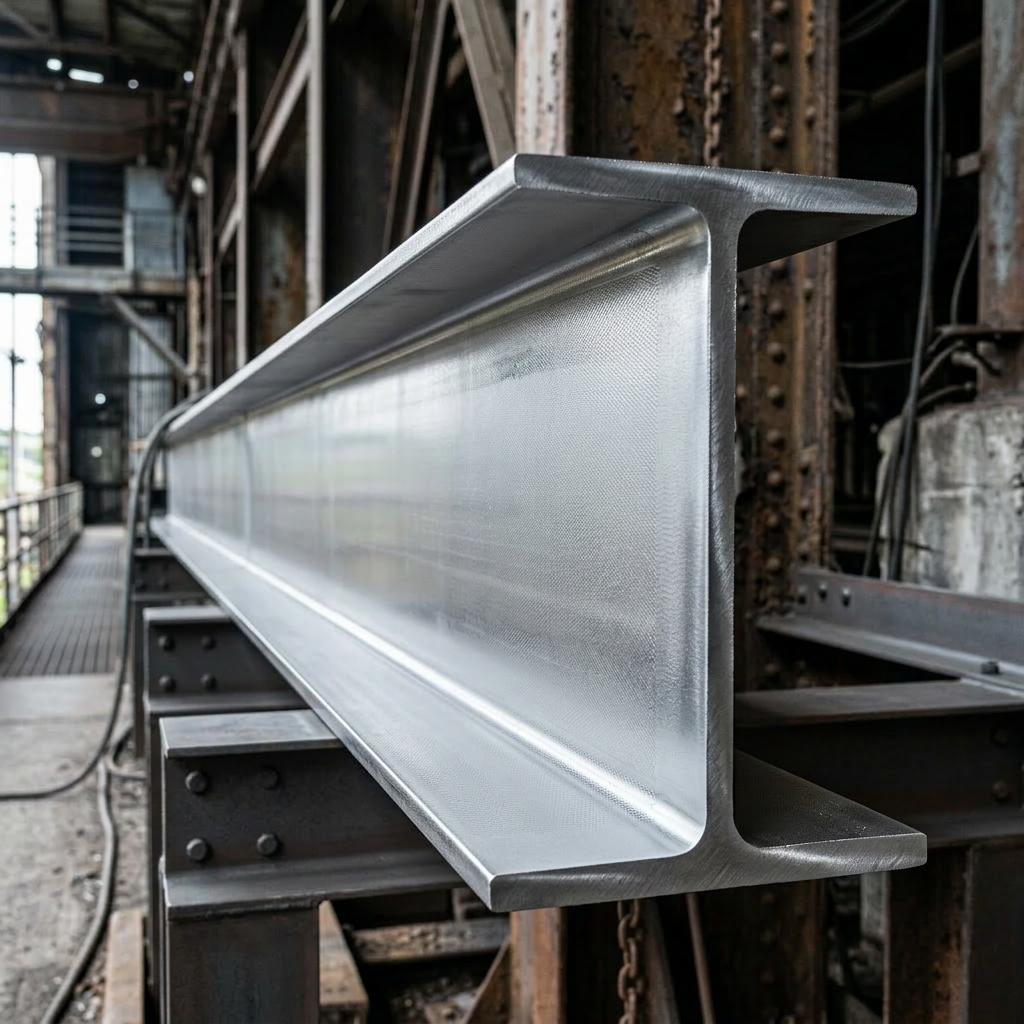
Laser Rust Removal
Target surface rust and oxidation on suitable metal parts without added blasting grit or chemical strippers. Cleaning reveals the condition underneath; it cannot replace metal already lost to corrosion.
The laser advantage: Unlike grinding or wire brushing, the laser applies no mechanical contact force. With suitable settings, it removes surface rust while limiting unnecessary removal of sound metal.
Professional example: A facility manager preparing rusted steel handrails for repainting can target corroded sections instead of mechanically stripping the entire assembly. Existing pitting remains.
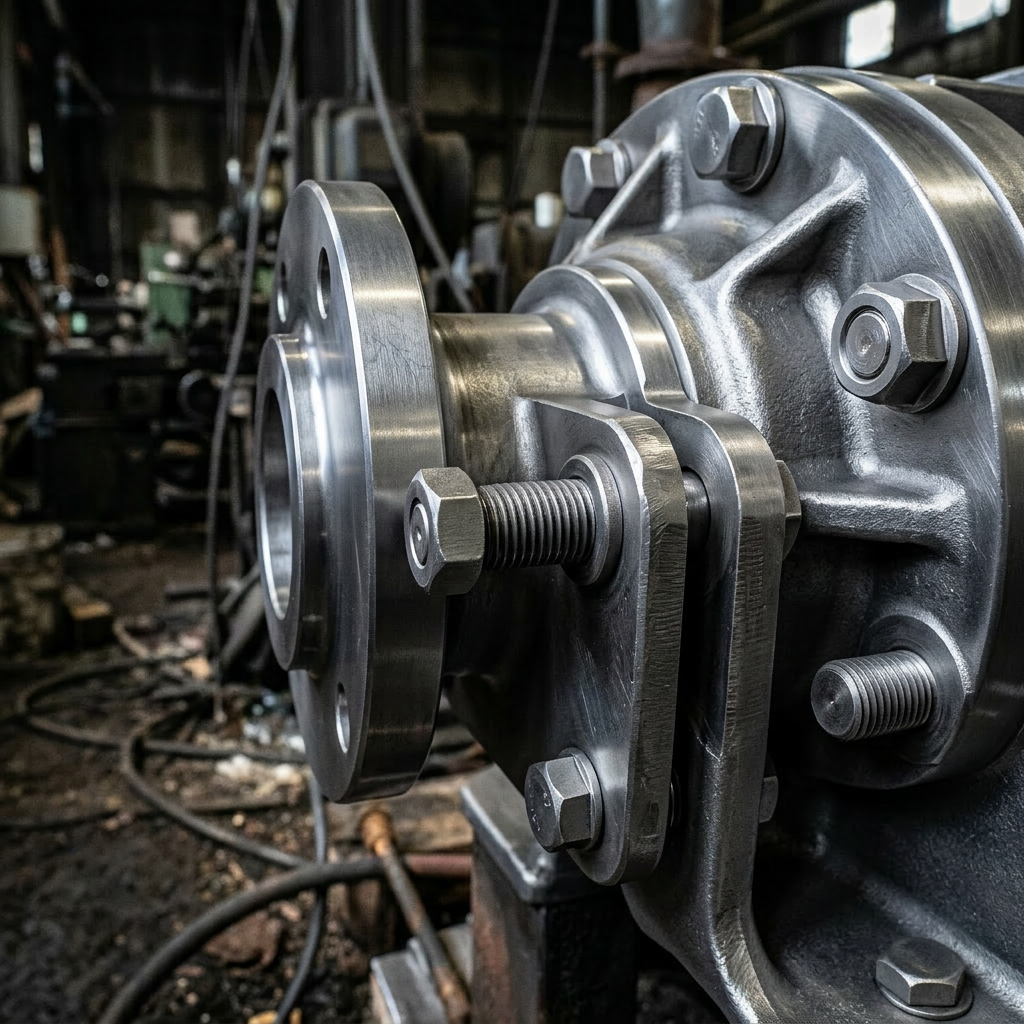
Surface Preparation
Remove selected coatings, oxides, and residues before repainting, bonding, or welding. Required cleanliness and surface profile depend on your next process; additional preparation may still be needed.
The laser advantage: Compared with treating a whole part in a chemical bath or blast cabinet, laser cleaning can target a weld seam or bonding area without adding grit or a stripping solution.
Professional example: A fabrication shop can remove oxides along an accessible weld zone or strip coating around a repair. The finished surface must still meet the welding or coating specification.
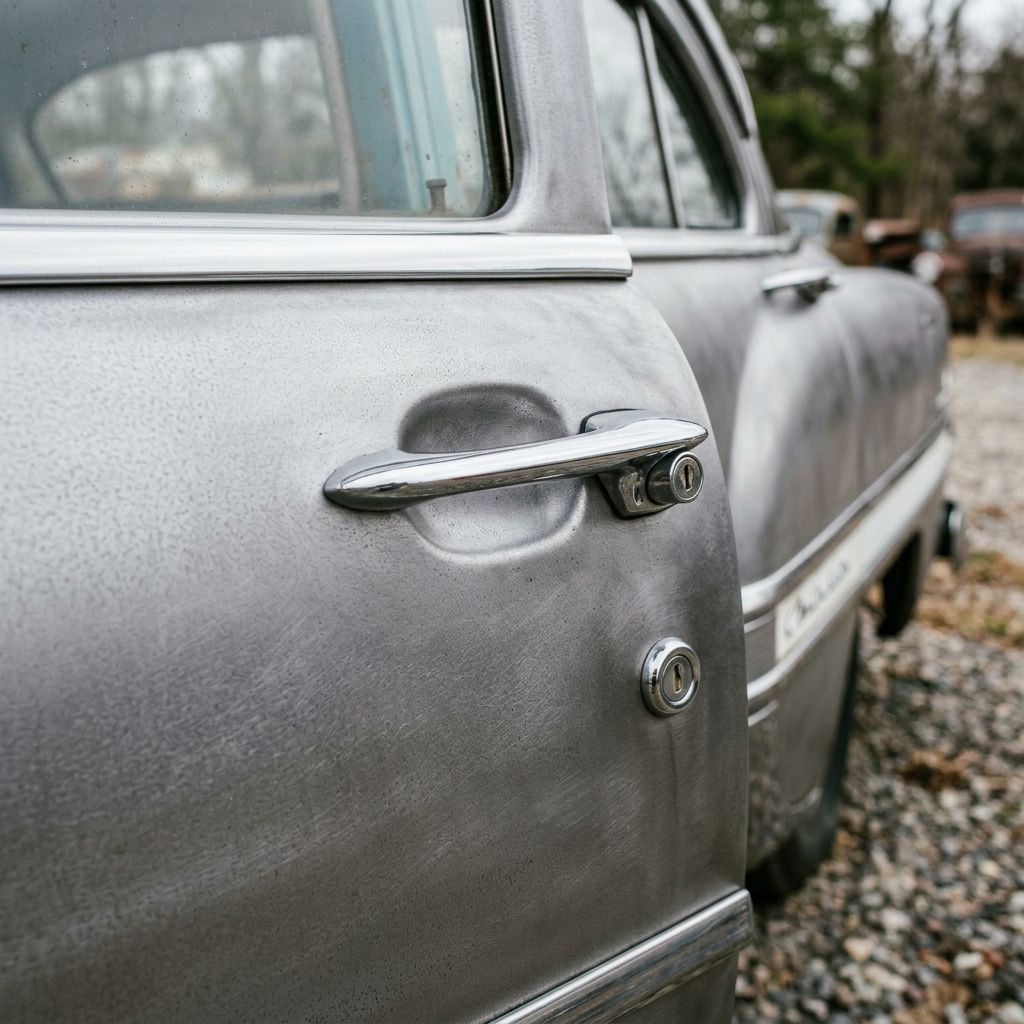
Auto & Classic Car Restoration
Clean accessible metal components as part of a restoration project. Thin panels, nearby wiring, rubber, and existing finishes need assessment and protection before work begins.
The laser advantage: Localized treatment offers more control than broad-area blasting and avoids introducing blast media into the treated assembly. Nearby finishes and components still need protection.
Professional example: A restoration shop can assess a removed suspension bracket or exposed chassis section for selective rust removal before refinishing, rather than sanding every accessible contour.
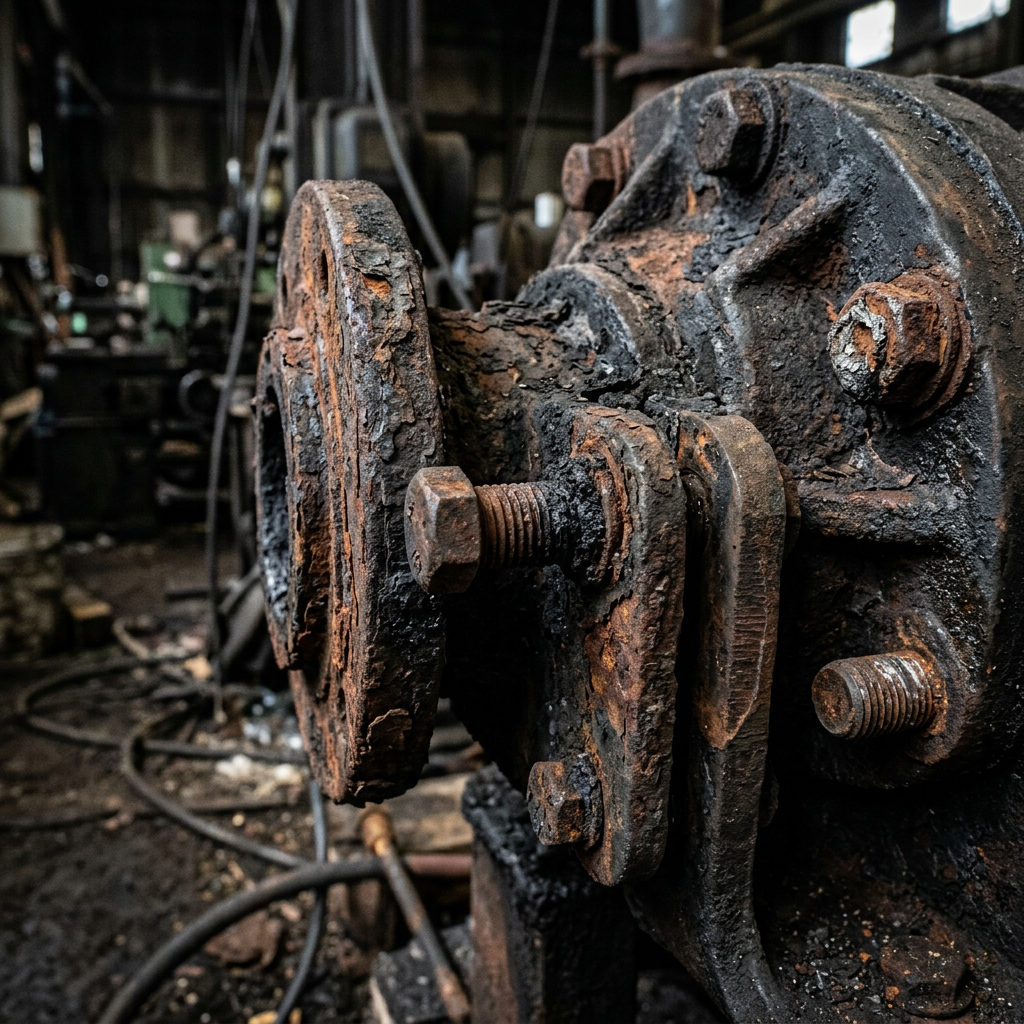
Industrial & Commercial Cleaning
Address localized corrosion, selected paint layers, and process deposits on accessible equipment surfaces. Scope and timing depend on the deposit, geometry, isolation requirements, and test results.
The laser advantage: Without added blast media or stripping chemicals, there is less secondary cleaning material to collect. Targeted treatment can simplify localized maintenance, although removed deposits and extraction filters still require disposal.
Professional example: A maintenance team can assess corrosion on an accessible machine base or residue on a steel fixture during a scheduled shutdown, limiting treatment to the affected area.
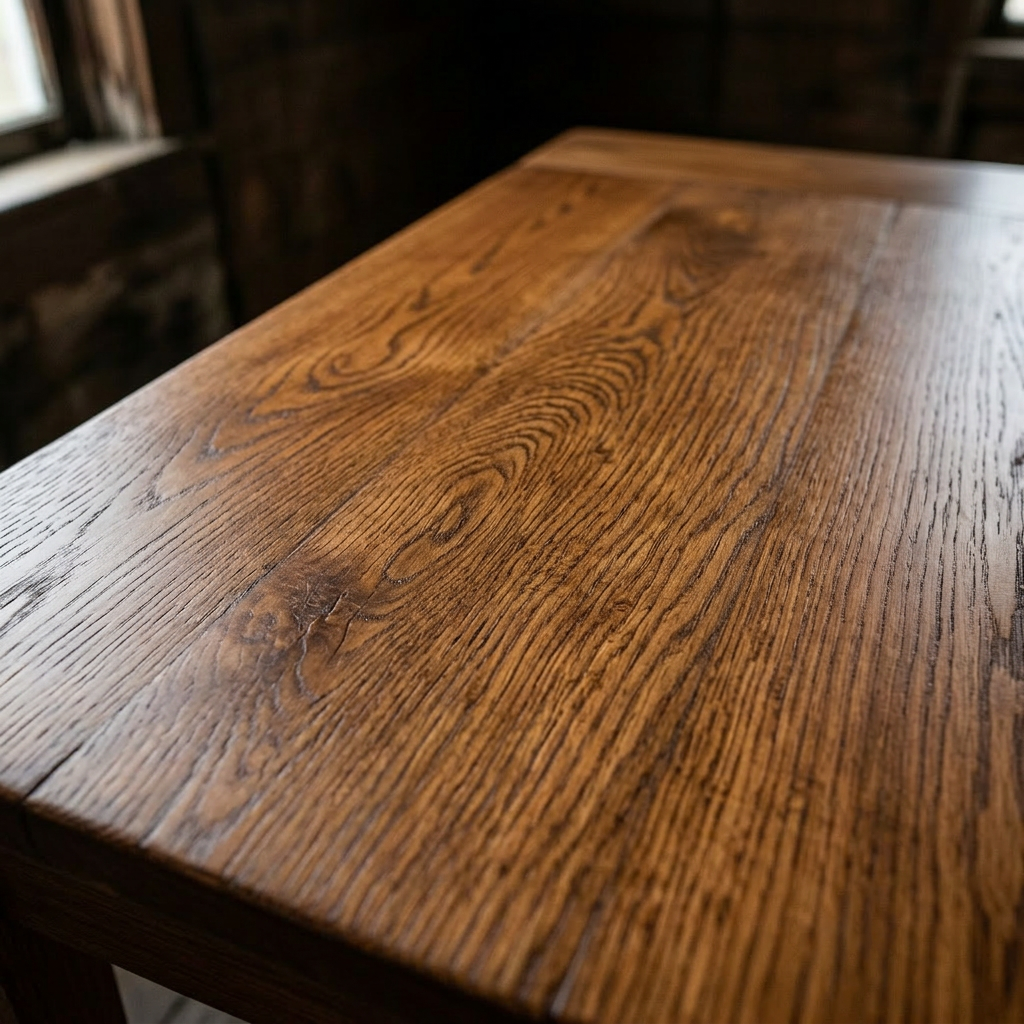
Wood Furniture Restoration
Selected wood-cleaning and finish-removal projects may be suitable after testing. Wood species, moisture, grain, and coatings affect the result; heat-sensitive or valuable pieces need extra care.
The laser advantage: On suitable tested wood, non-contact treatment can reach detailed contours without abrasive hand-sanding or a chemical stripper. It is not automatically gentler: excessive heat can char or discolor wood.
Professional example: A furniture restorer might evaluate a small area of carved solid-wood trim for finish removal before deciding whether laser treatment or conventional restoration best preserves the detail.
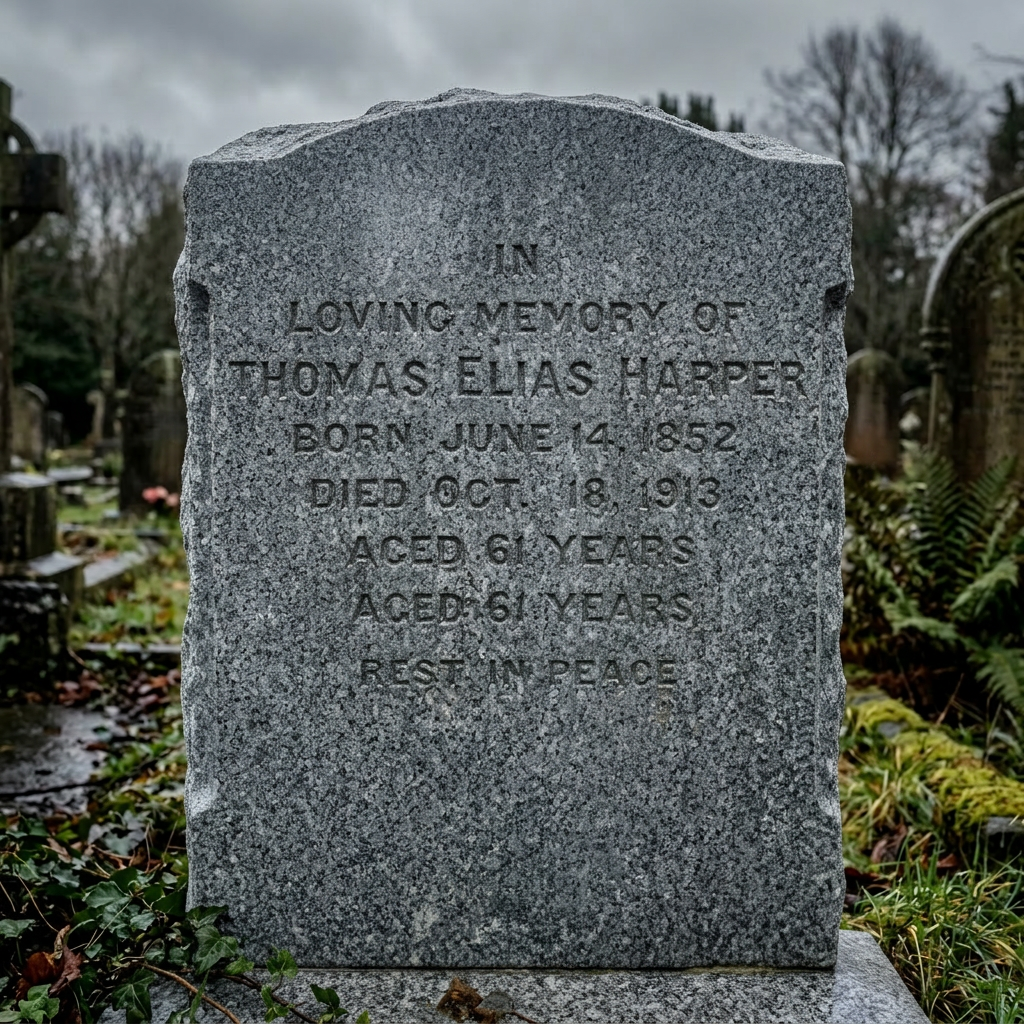
Tombstone & Monument Cleaning
Evaluate selected stone and monument deposits with a conservation-first approach. Stone type, condition, inscriptions, and previous repairs determine whether laser cleaning is appropriate.
The laser advantage: For conservation-approved applications, controlled laser treatment offers localized deposit removal without abrasive scrubbing or adding cleaning chemicals. Fragile stone, pigments, and inscriptions require specialist review.
Professional example: A conservator may approve a small test on a sound stone monument to compare deposit removal with conventional cleaning before authorizing any wider treatment.
Examples describe potential applications, not completed InPulse Laser projects. Suitability requires assessment and testing. Laser work needs controlled access, appropriate protective equipment, and fume extraction; it does not rebuild corroded material or eliminate waste.
Research: IPG Photonics: selective cleaning and method comparisons; Laserax: industrial applications. Read about suitability, safety, and conservation considerations.
How It Works
From first photos to the final surface review, InPulse Laser helps you decide what can be cleaned, how it will be accessed, and what happens next.
Free Assessment
Share a close-up photo, a wider view, dimensions, location, and the finish you want. We review the material, coating or deposit, access, and safety needs before confirming scope and pricing.
On-Site Laser Cleaning
For suitable projects, agree on a test area and finish before cleaning the full scope. On-site work requires a controlled laser area, appropriate eye protection, fume controls, and safe equipment isolation.
Inspect, Deliver, Done
Review the cleaned area against the agreed scope and discuss the next step. Bare steel can rust again and may need prompt coating; welding or painting may require additional preparation to meet your specification.
Why Laser Cleaning?
Laser cleaning is a useful option, not a universal replacement for blasting or chemical cleaning. Compare the job, required finish, access, and waste controls before choosing a method.
| Consideration | Laser cleaning | Abrasive blasting | Chemical cleaning |
|---|---|---|---|
| How it cleans | Focused light pulses | Propelled abrasive media | Reactive cleaning agents |
| Typical strengths | Localized rust, coatings, and oxides | Broad areas and surface profiling | Compatible deposits and accessible wetted surfaces |
| Access | Direct beam access required | Nozzle access and containment | Agent must reach and wet the deposit |
| Waste to manage | Removed particles, fumes, and filters | Spent media and removed material | Spent solution and rinse waste |
| Surface protection | Test settings to limit heat or surface change | Select media and pressure for the substrate | Check compatibility and exposure time |
| Best choice | Depends on the material and required finish | Depends on the material and required finish | Depends on the material and required finish |
"Pulse the rust, keep the Trust."
— Alejandro H. Alvarado, CEO / Operator, InPulse Laser.
Explore the Possibilities
Drag to compare AI-generated illustrations of possible applications. These are not photographs of completed InPulse Laser jobs or promises of a particular result; actual outcomes depend on testing and surface condition.
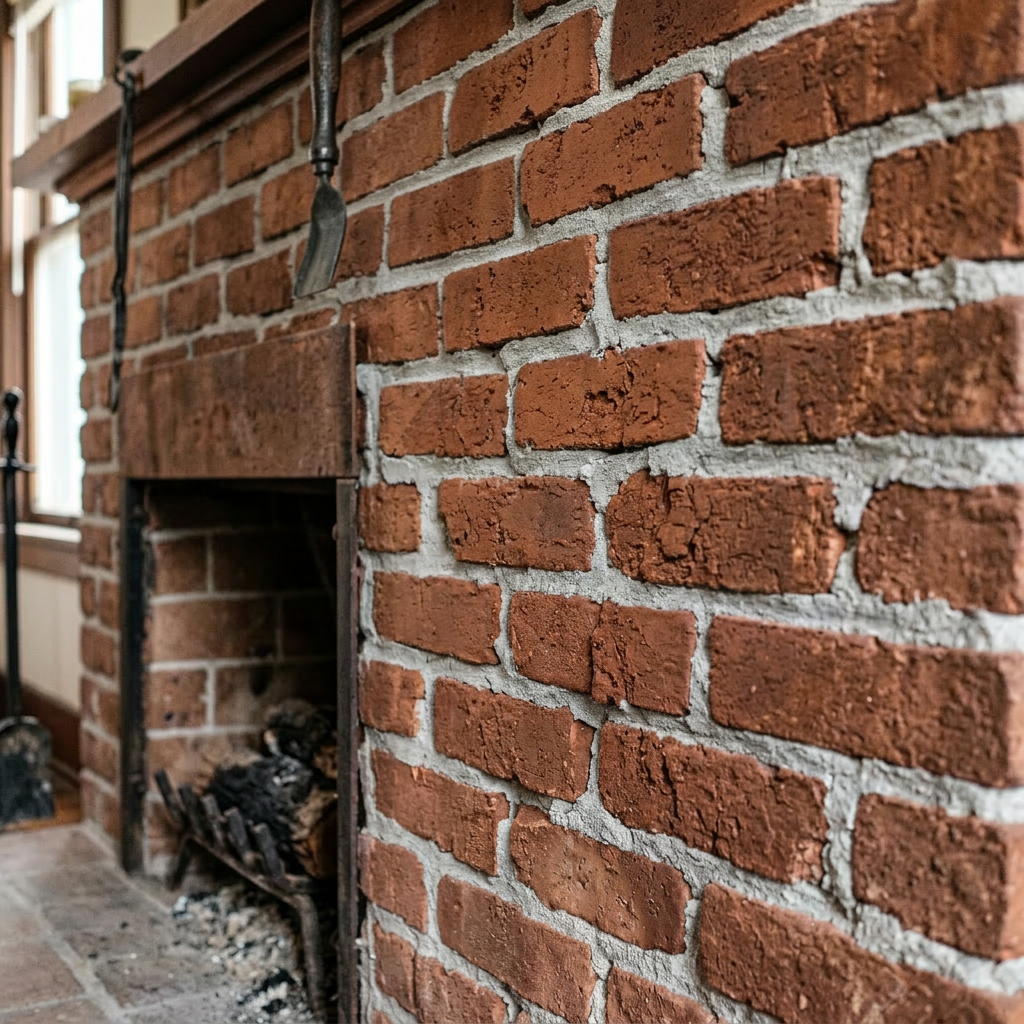
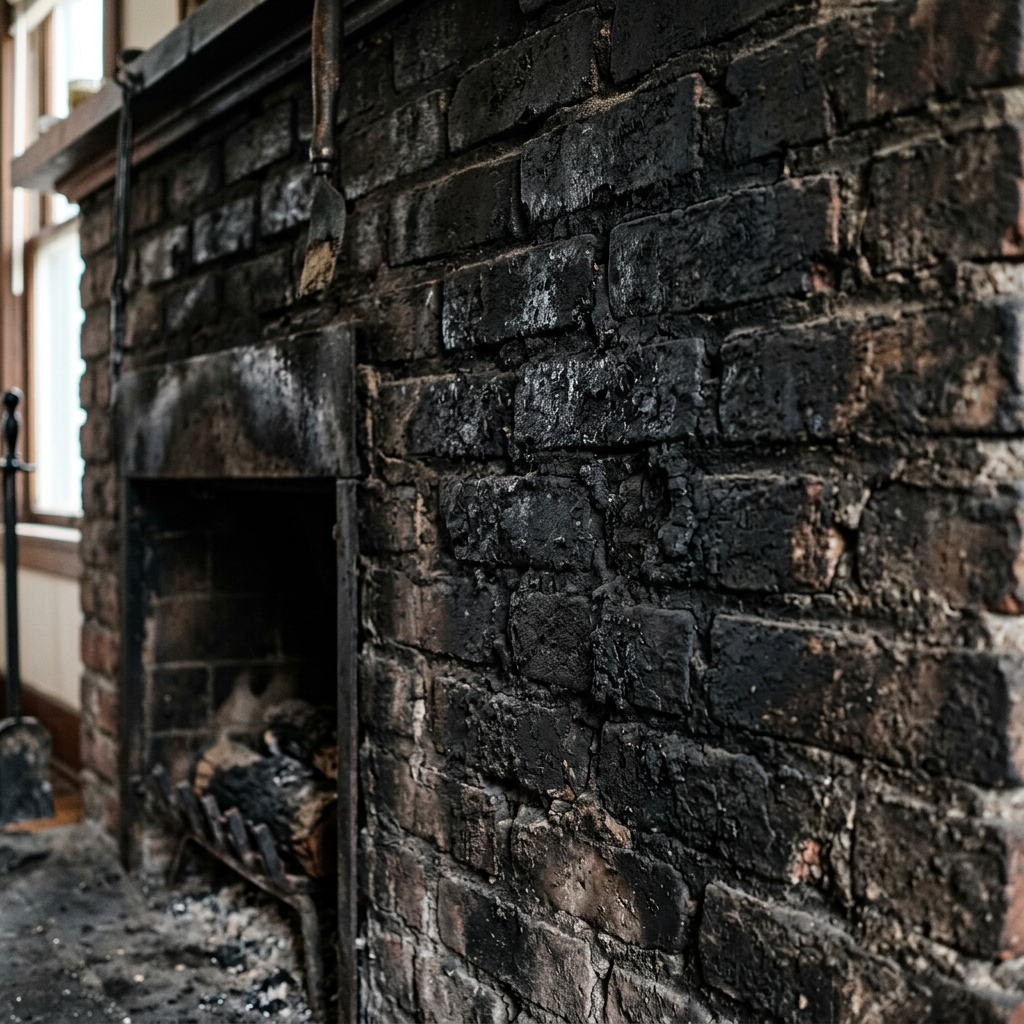
Soot Removal
Illustrative application: reducing surface soot on suitable masonry after a test area. Cleaning does not repair heat damage or replace fire-restoration assessment, odor treatment, or structural repairs.
AI-generated illustration · Drag to compare
Algae & Organic Matter
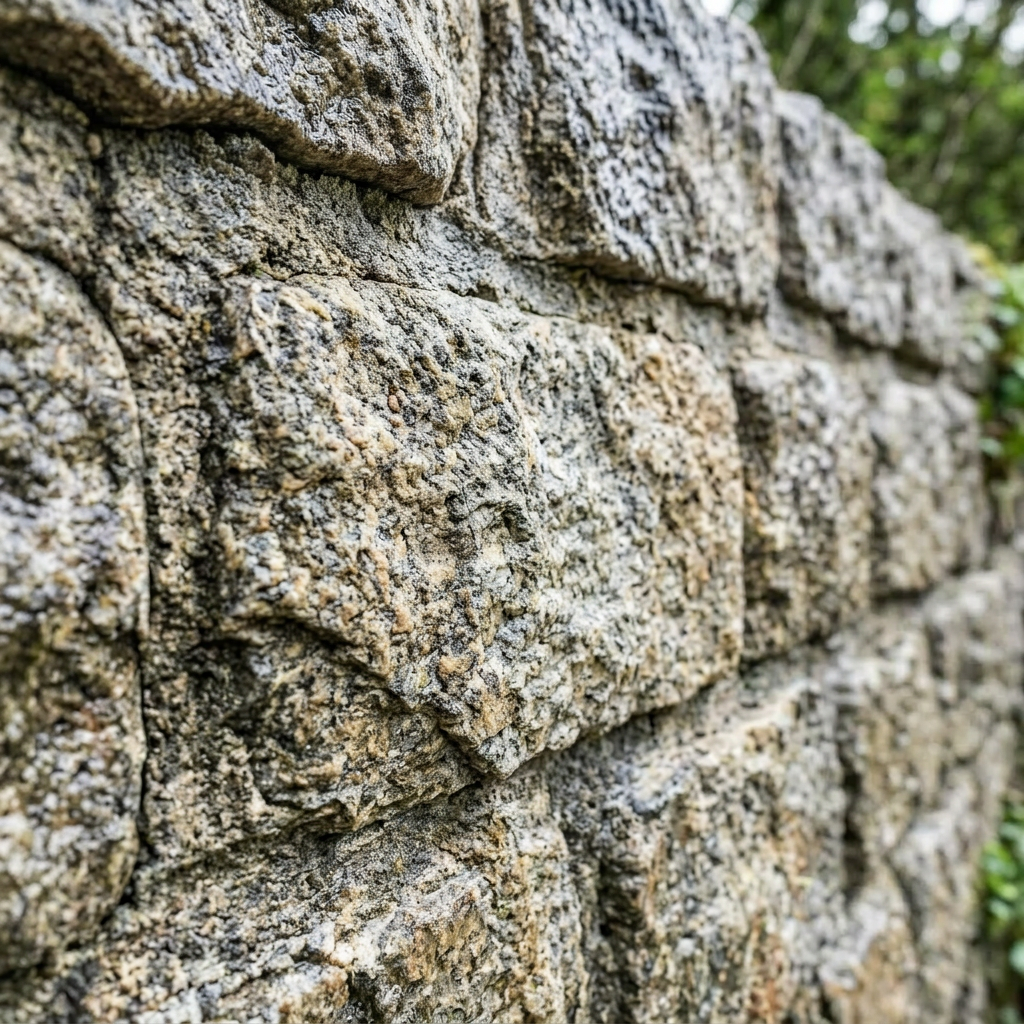
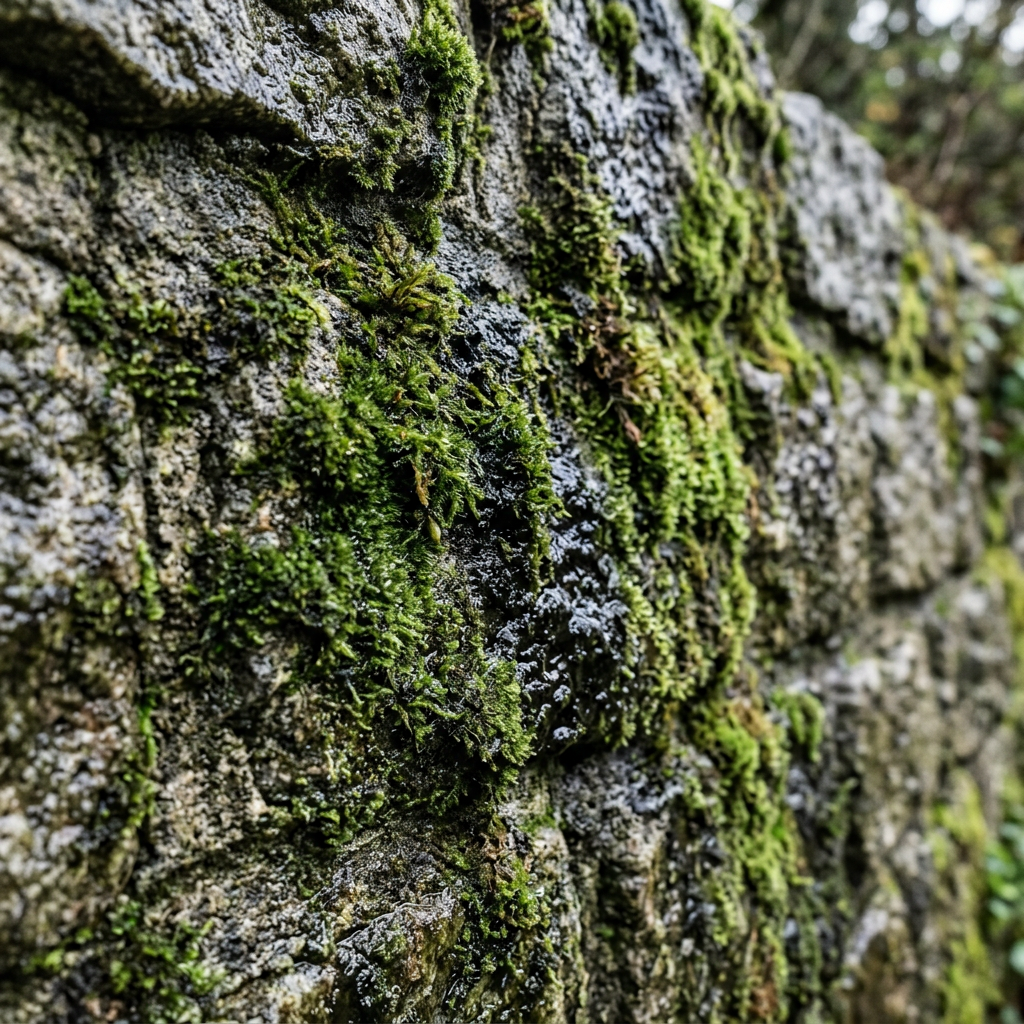
Illustrative application: removing selected surface deposits from suitable stone. Porous or fragile materials need specialist assessment; surface cleaning is not a mold-remediation or sterilization guarantee.
AI-generated illustration · Drag to compare
Log Cabin Restoration
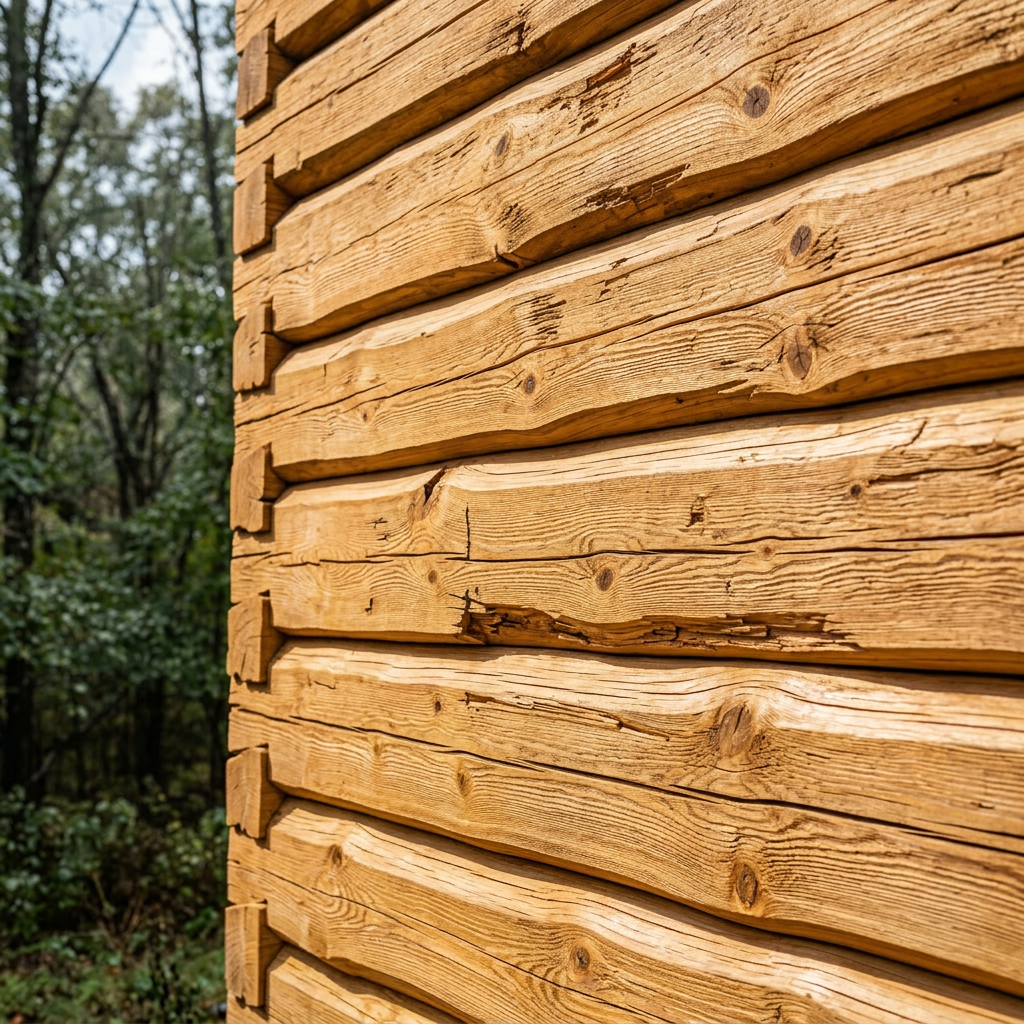
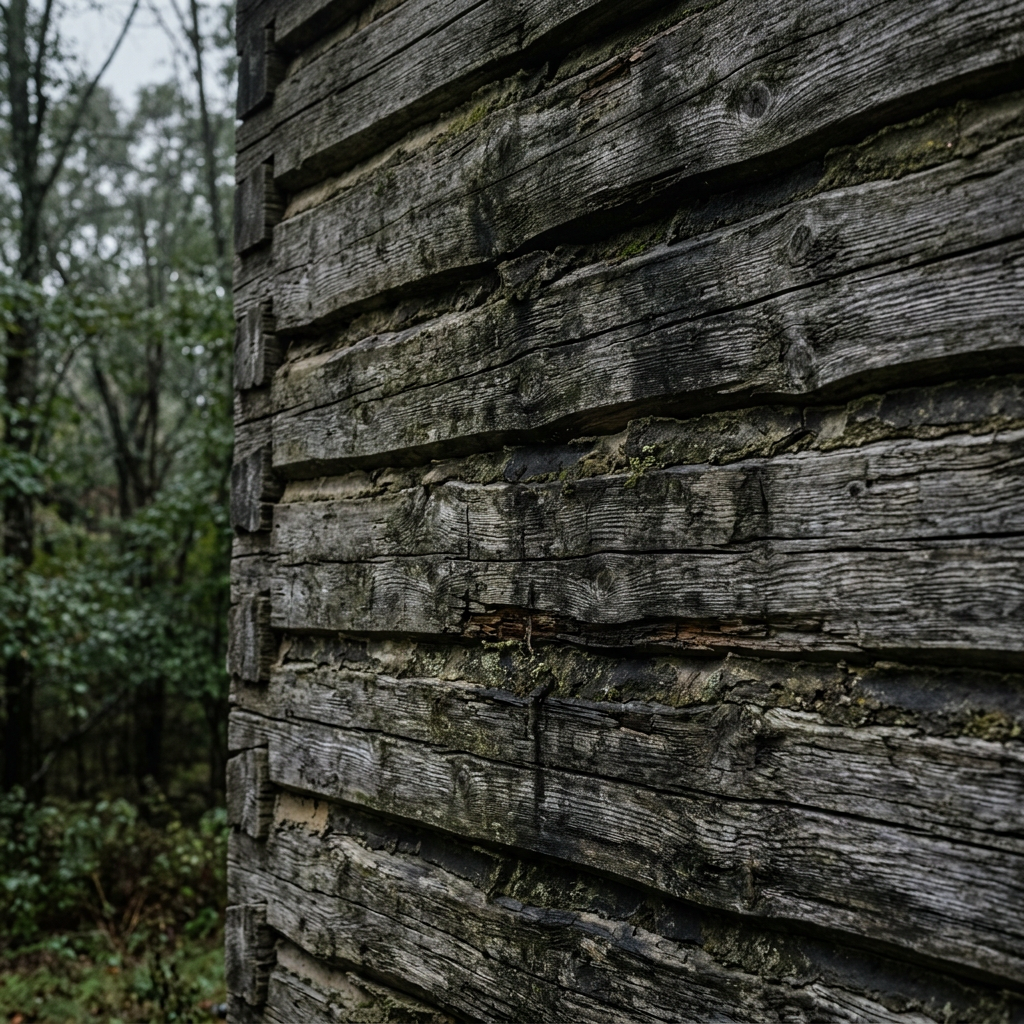
Illustrative application: assessing weathered timber or old finishes for selective removal. Test results determine suitability; wood may discolor or char, and refinishing can require further preparation.
AI-generated illustration · Drag to compare
Request a Quote
Tell us the material, what needs removing, approximate dimensions, location, and your intended finish. Use the form to prepare an email, then attach close-up and wider photos in your email app before sending.